

Why climbing outdoors on rock is necessary to improve your climbing skills and technique?
Climbing skill begins where the plastic ends
Wed 9 Jul 2025
Why Outdoor Rock Climbing is essential for improving your skills and technique
1. Climbing outdoors reveals true technique
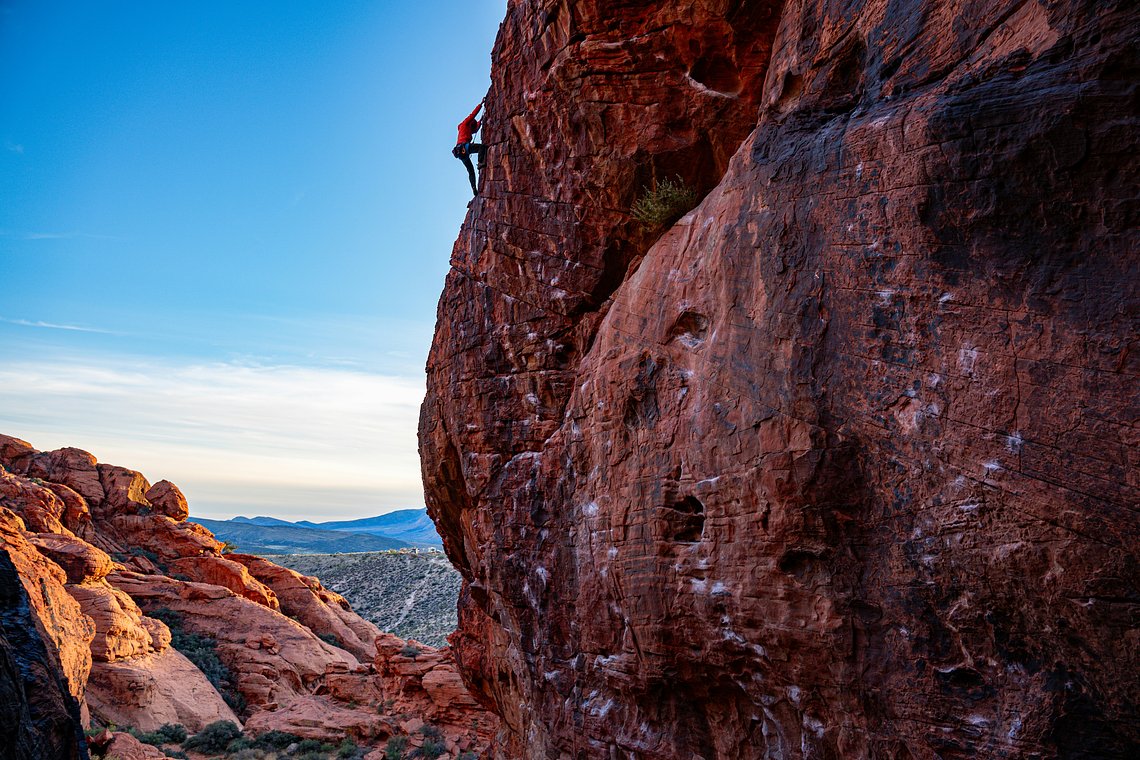
Indoor climbing gyms have rapidly advanced training tools, but they are not a substitute for the unique technical demands of outdoor rock. Natural surfaces require friction-based techniques, precise body positioning, and sensitive footwork that rarely transfer fully from plastic holds. Weathered granite, slick limestone, sharp sandstone—each presents new challenges in how you move, balance, and read the rock.
Moreover, the variability in terrain, orientation, and rock quality forces us, climbers to become far more intuitive and adaptive. While gyms are controlled and rehearsable, real rock requires creative solutions for body tension, heel-hooks, palm-presses, jams, and smearing. These skills can only be developed through consistent outdoor exposure.
2. Outdoor grades are the true benchmark
A common misconception among newer climbers is that climbing grades are universal. In reality, indoor grades are generally softer and inconsistent, varying between gyms and route setters. Outdoor grades are the globally recognized standard. They have developed over decades through consensus among climbers on natural rock, where variables like hold type, angle, and rock texture are far more complex and less forgiving.
Equally important is how the climb is completed. Outdoor grades—especially those in sport and traditional climbing—are assumed to be achieved on lead, not top rope or auto-belay. This means the climber clips the rope into protection points while climbing, without falling or resting on the rope.
Sending a route “on top rope” is a great way to rehearse movements, but it is not considered a full ascent. Lead climbing is the reference for grading and is essential for understanding both technical difficulty and the mental demands of exposure, risk management, and endurance.
3. Understanding “Sends”: On-sight, Flash, Redpoint, Pinkpoint
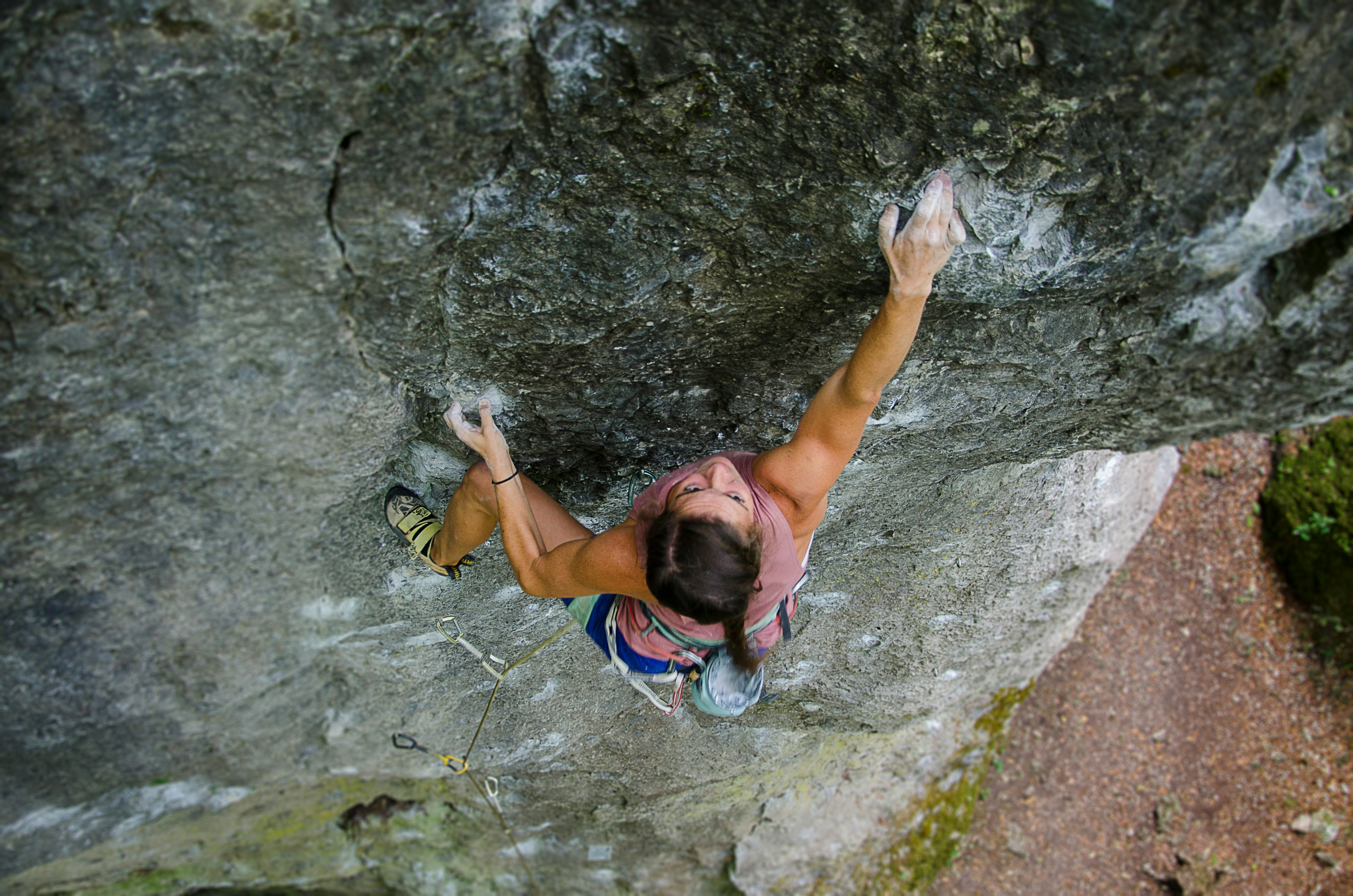
Climbing culture is rooted in a rich vocabulary to describe how a route was completed. These distinctions reflect both technical proficiency and mental mastery:
On-sight: Climbing a route with no prior beta (information), on the first try, and without falling or resting on gear. It’s considered the purest form of ascent, especially on outdoor terrain.
Flash: Similar to on-sight, but with prior information (e.g., watching someone else climb it or receiving advice). Still must be done on the first try, without falls.
Redpoint: Climbing a route cleanly after practicing it. The climber may have fallen previously, but eventually sends the route without weighting the rope.
Pinkpoint: A variation of redpointing where the climber leads the route, but the quickdraws are already in place. This term was more common in the 1980s and '90s; today, most redpoints are pinkpoints in practice, and the terminology is fading in distinction.
Onsight and redpoint ethics emerged in the 1970s and 1980s as climbers moved away from siege tactics (working routes with aid or extended rests) toward more “pure” free climbing styles. German climber Kurt Albert, for example, famously painted red dots ("Rotpunkt") on routes he had free climbed—giving birth to the term “redpoint.”
This vocabulary is critical in outdoor climbing, where how a route is climbed holds as much value as whether it was climbed.
4. Outdoor climbing develops mental toughness and decision-making
On natural rock, climbers must assess protection placements, route options, and environmental variables such as loose rock, wind, or sun exposure. These decisions are made in real time, with consequence. The cognitive benefits of this kind of climbing are significant: increased spatial reasoning, executive function, and decision-making under stress.
Unlike indoor routes, which are color-coded and rehearsable, outdoor routes require visual interpretation and route finding. You must choose holds, read sequences, and solve movement puzzles without obvious markings. This fosters independence, adaptability, and critical thinking—skills that are harder to develop in artificial settings.
5. Physical conditioning: varied and specific
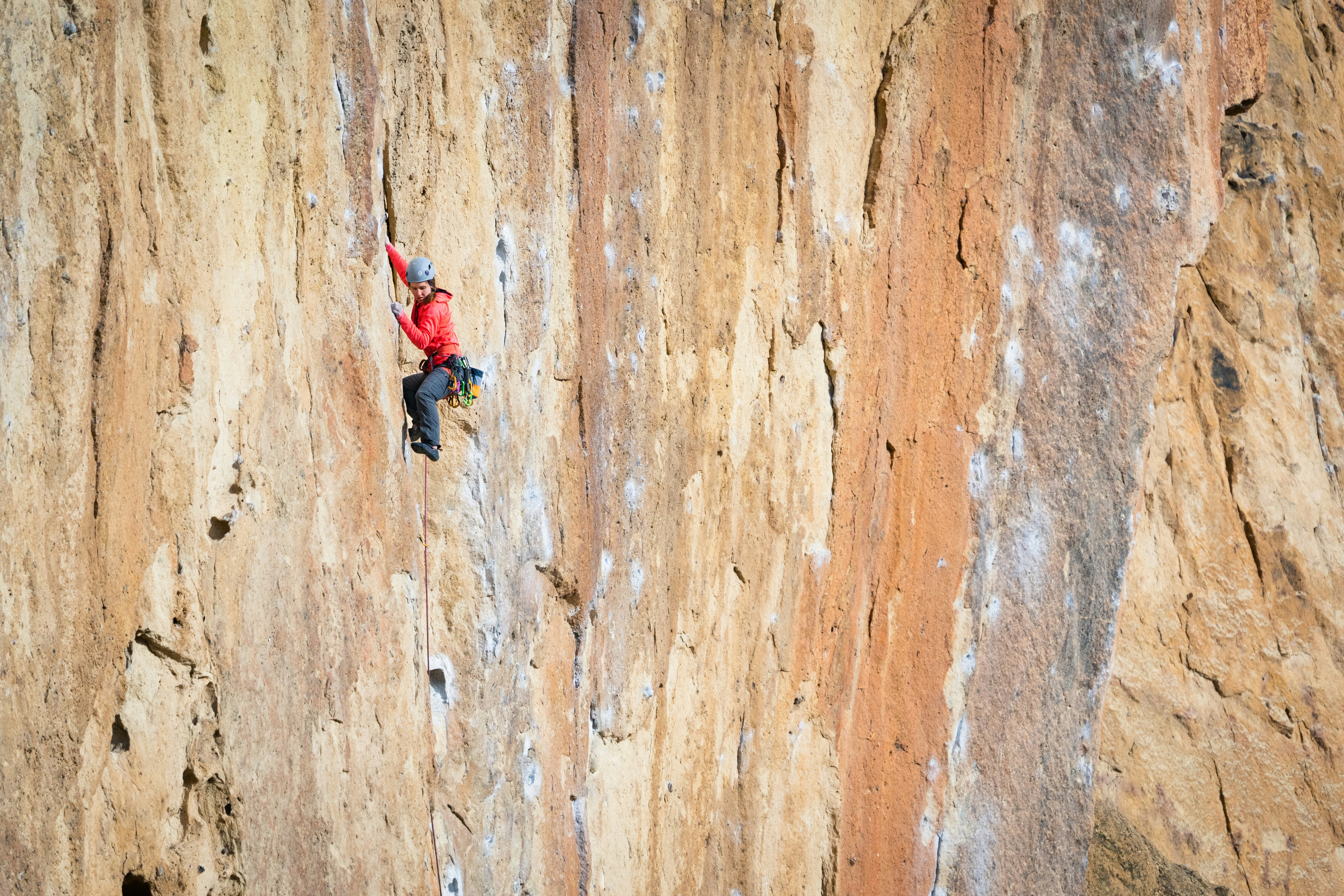
Outdoor climbing enhances full-body strength, particularly in the forearms, core, stabilizers, and legs. But it also develops something less measurable: economy of movement. This means using energy efficiently—placing feet deliberately, engaging the right muscles, and learning when to rest.
Scientific studies support this: climbers consistently show superior grip strength, core control, and joint mobility compared to non-climbers. However, outdoor climbing adds natural variability—routes are longer, rest points are unpredictable, and holds may require full-body engagement in unstable positions. This fosters endurance and strength in ways indoor climbs often cannot.
6. Movement repertoire is broader outdoors
Crack climbing, laybacking, stemming, chimneying, mantling—these are techniques rarely practiced indoors due to safety and infrastructure limitations. But in outdoor climbing, especially on granite, limestone or sandstone, these are essential tools.
Even slab climbing, which emphasizes smearing and balance, is underrepresented in gyms. Outdoor rock forces climbers to learn new movement languages—contributing to long-term technical mastery.
7. Psychological and emotional resilience
Outdoor climbing fosters emotional regulation, risk perception, and confidence. Completing a long, exposed multi-pitch or tackling a mentally taxing lead climb strengthens not just climbing skill, but life skill.
Nature itself plays a role here: the calming effect of being in natural environments is well-documented. Combining physical challenge with immersive landscapes contributes to mental clarity, stress relief, and improved well-being.
8. Structured integration of indoor and outdoor training
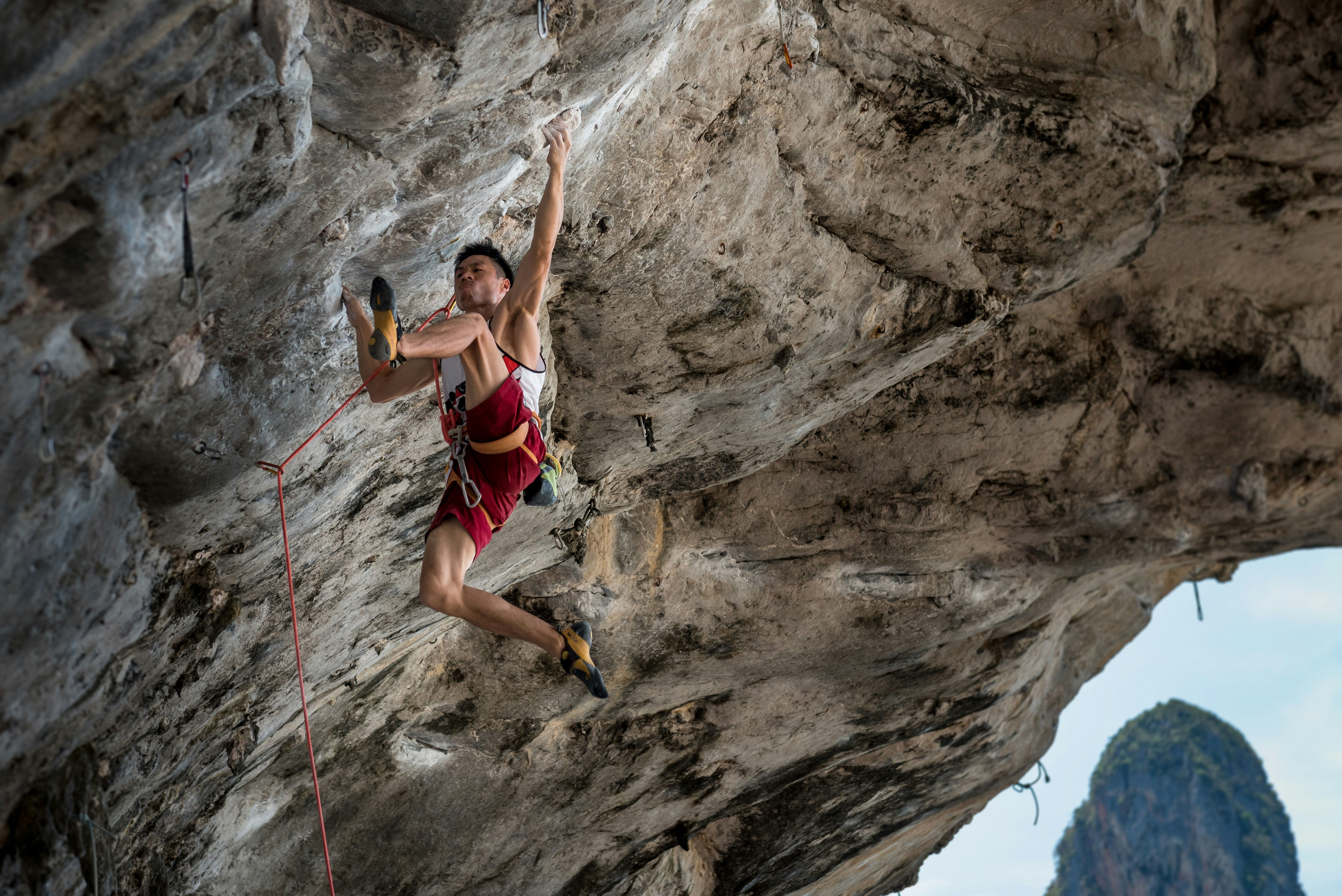
To become a well-rounded climber, integrating indoor and outdoor practice is essential:
Use indoor climbing for targeted strength, bouldering, and high-volume movement repetition.
Use outdoor climbing for technical skill acquisition, environmental awareness, and full-mind-body integration.
Create training cycles where indoor sessions build capacity, and outdoor projects provide application and feedback.
The most successful climbers approach this holistically—crossing disciplines, diversifying terrain, and valuing real-rock experience as the foundation.
Conclusion
Climbing outdoors is more than a change of scenery. It is the core environment where real climbing skills are tested and developed. The natural variability, mental demands, and technical complexity of real rock foster growth in ways the gym never can. Grades outdoors are the global standard, and meaningful progression is measured not just by the number, but by how a route is sent—ideally on lead, with mastery and intention.
Whether you're seeking to climb harder, climb smarter, or climb longer—the rock is the real teacher.
We got lots of rock climbing programs and if you are based in the UK, this one might be ideal to improve your climbing journey! Check it out!